The Dress Edit for a Soft Middle: Silhouettes That Skim, Celebrate and Never Cling
The dress is the soft-middle wardrobe’s best friend when the silhouette is right — the skim-not-cling cuts, the strategic drape, the waistlines placed on YOUR terms — and the edit is knowable. The soft-middle dress guide.

The Silhouette Rankings
The cuts that serve: the wrap-and-faux-wrap champion (the diagonal drape being the middle’s best geometry — the adjustable tie per the wrap logic; the faux-wrap’s fixed security), the empire-waist elegance (the waistline lifted ABOVE the middle — the flow beneath; the empire done modern, not maternity: the structured bodice distinction), the A-line-and-fit-flare tier (the defined shoulder-and-bust with the released skirt per the shape logic), the shift-and-swing freedom (the clean unfitted column — the skim-everything cut; the shapeless-risk managed by structure-or-accessories per the belt logic), the bias-slip nuance (the fluid slip skimming when the fabric is substantial — the thin-bias cling honesty per the slip logic; the layering rescue), the knit-dress calibration (the rib-and-cling audit from the knit-dress logic — the ponte-and-structured-knit tier being the friend), and the avoid-or-adapt notes (the clingy jersey and the waist-seamed-at-the-middle cuts adapted or passed — the individual verdicts per the individual logic).
The Fabric-and-Detail Selection
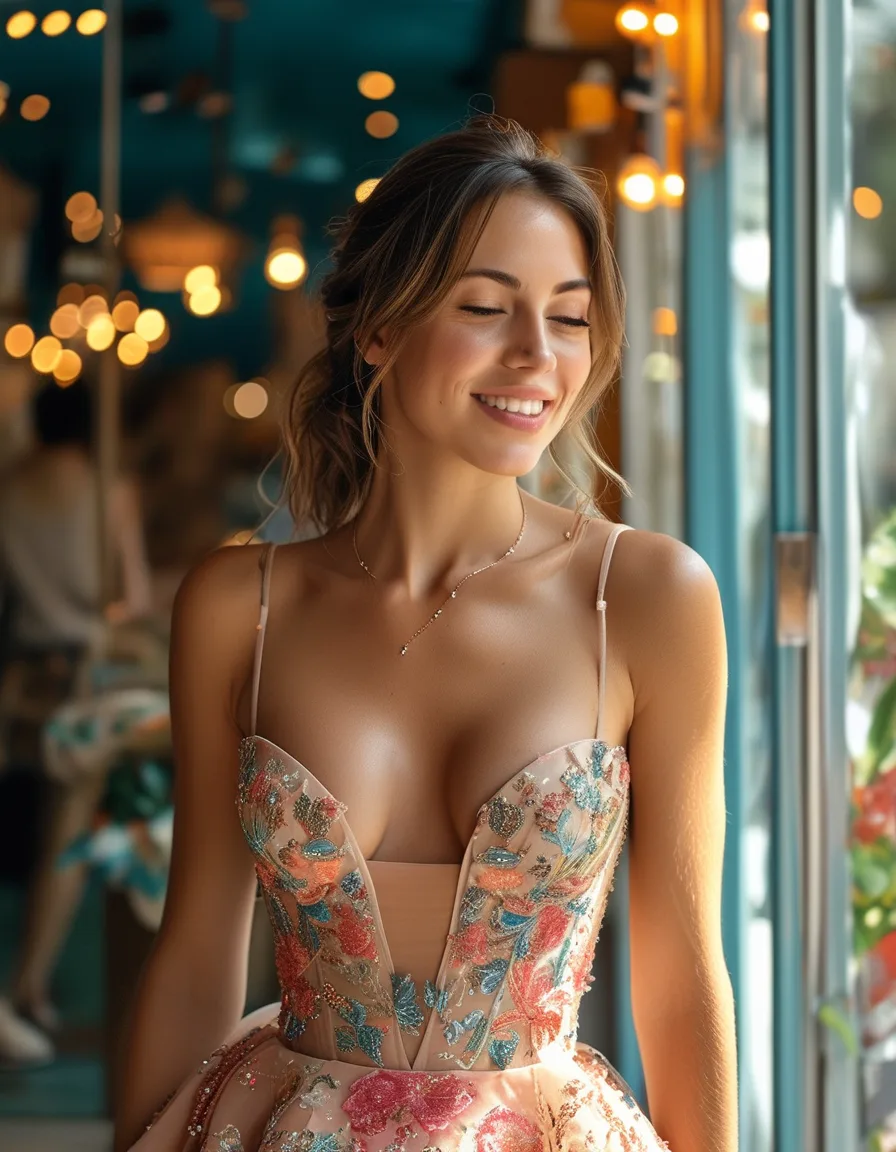
The construction that helps: the fabric weight law (the substantial fabrics skimming where thin ones map — the crepe, ponte and heavy viscose tier per the fabric logic; the fabric being MORE important than the cut), the drape-versus-structure choice (the fluid drape moving past the middle — the structured cotton holding its own shape; the both-working, the cling being the only enemy), the strategic details (the ruching-and-gathering at the middle being DELIBERATE camouflage-as-design — the wrap-front folds, the shirred panels; the details doing quiet work), the print consideration (the prints breaking up surfaces per the print logic — the all-over medium prints being allies), the neckline-and-shoulder emphasis (the interest drawn UP — the necklines from the neckline logic; the statement above per the statement logic), the length interaction (the hemline balance per the hemline logic — the knee-and-midi range), and the underpinnings option (the smoothing layer as a CHOICE per the smoothing logic — the comfort-first rule).
The Styling Finish
Completing the look: the belt decision (the belt at the natural waist-or-empire line by preference — the belt SKIPPED freely per the choice logic; the middle unmarked being fully styled), the layer plays (the open cardigan-and-duster verticals per the column logic — the frame that lengthens), the accessory elevation (the earrings-and-neckline interest per the accessory logic — the eye-path design), the shoe finish (the leg-line continuation per the shoe logic), the confidence constant (the dress worn without tugging — the fit-checked seated per the fit logic; the comfort BEING the flattery per the confidence logic), the body-neutral framing (the silhouettes chosen for ease, not apology — the celebrate-or-skim both being style per the body logic), and the closing frame (the dress edit built on skim-and-substance — the wraps, the empires, the substantial fabrics; the middle dressed on its own terms; the cling, simply declined). Wrap or empire, substantial fabric always, interest drawn up: the dress edit, soft-middle mastered.
The dress edit for a soft middle: wraps and faux-wraps lead (the diagonal drape is the best geometry), modern empires lift the waistline above, and fabric matters MORE than cut — substantial crepe and ponte skim where thin jersey maps. Ruching is camouflage-as-design, draw interest up with necklines and earrings, and the belt is a choice, never a requirement.
Keep Reading
This article is for general styling and informational purposes only. Trends, sizing, availability and pricing may vary by brand and season.